
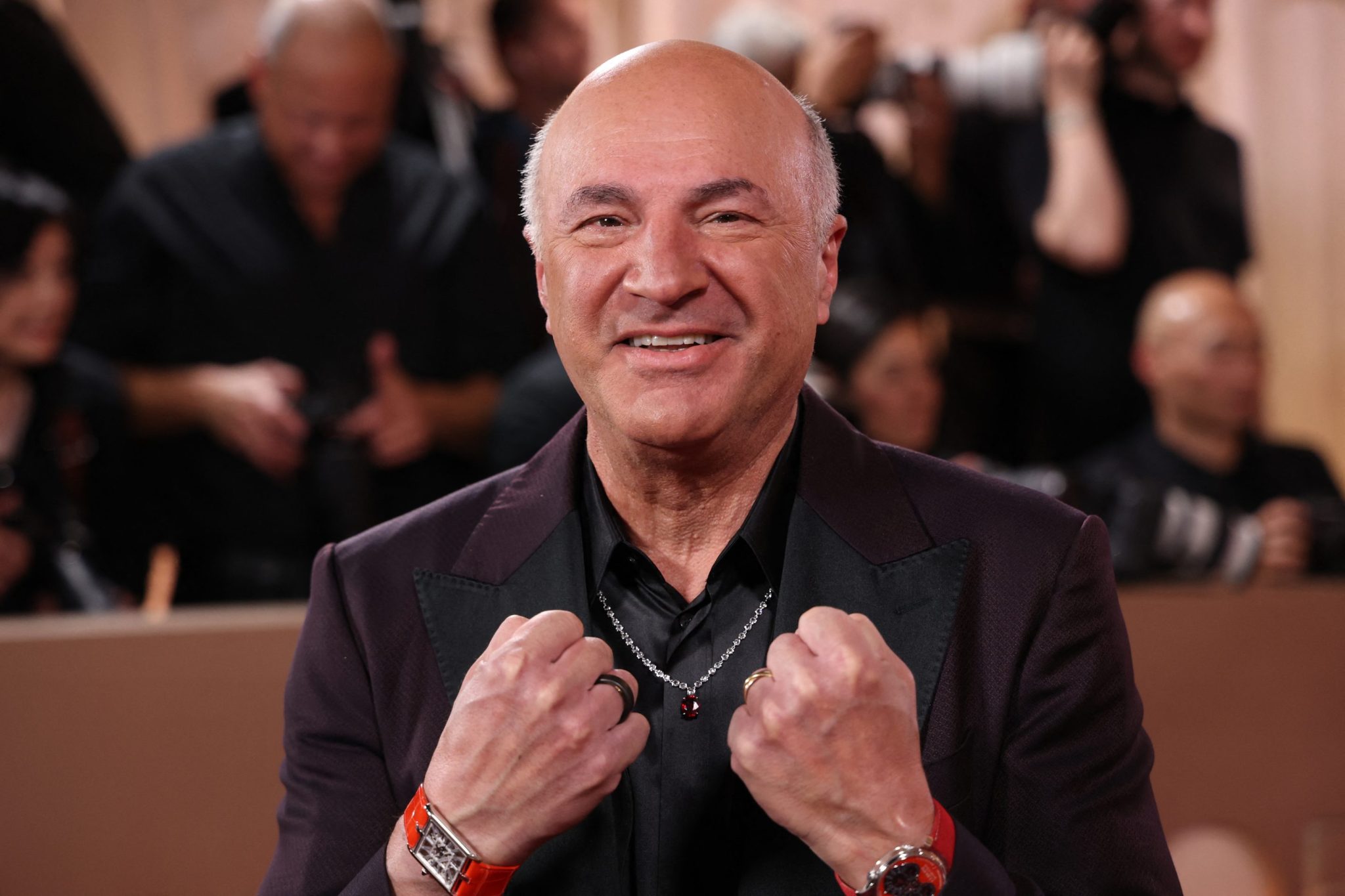
While some workers believe they have every right to slam their laptop shut at 5 p.m. every day, Kevin O’Leary is staunchly against it.
The Shark Tank star and chairman of O’Leary Ventures is so against it, in fact, he’d be happy for employees who believe in work-life balance to work elsewhere.
“People that shut down their laptop at five want that balance in life, want to go to the soccer game, nine to five only—they don’t work for me,” O’Leary told CNBC in 2022. “I can tell you that. I hope they work for my competitors.”
O’Leary took aim at the quiet quitting movement that swept through the workplace in the post-pandemic era, which remains a phenomenon across white-collar jobs. Recently, it’s become a pressing issue in India, with employee engagement dipping to just 23%, according to a May Gallup poll.
But O’Leary, who is worth an estimated $400 million, said workers who define their roles by rigid job descriptions and hours are only setting themselves up to fail.
“Quiet quitting is a really bad idea,” O’Leary said. “Creativity is very much honored in the work environment. People that go beyond to try to solve problems for the organization, their teams, their managers, their bosses, those are the ones who succeed in life.”
For O’Leary, the path to advancement isn’t about doing what’s asked—it’s about consistently doing more.
“You’re hired to solve problems,” he said. “As you move up the feeding chain, and you want to be recognized and eventually be paid more, it’s because you did exactly what you were told to do, and then even more.”
“You have to go beyond, not because you’re forced to, not because you have to,” he continued. “You have to go beyond, because you want to. That’s how you achieve success.”
Mr. Wonderful said he actively recruits people who treat extraordinary effort as a personal value instead of a transactional one.
“Those individuals are not doing it for the greed of money—they’re doing it because it’s part of their ethos, as part of their DNA, as part of who they are—those are the people I seek,” he said. “I seek them out. I hire them.”
More executives are pushing back on work-life balance
O’Leary isn’t alone in his strong feelings toward work-life balance.
Iñaki Ereño, the chief executive of one of the world’s largest health care companies, told Fortune’s Orianna Rosa Royle in a recent exclusive interview that craving work-life balance is a red flag.
“When the balance of your life becomes a topic, then you have a problem,” said Ereño, who is the CEO of Bupa, a Fortune 500 Europe company. “You need to like your job, to not feel that your life needs to be balanced.”
Andrew Feldman, co-founder and CEO of the $53 billion AI chip company Cerebras, also recently spoke out against the 38-hour workweek.
“This notion that somehow you can achieve greatness, you can build something extraordinary by working 38 hours a week and having work-life balance, that is mind-boggling to me,” Feldman told the 20VC podcast late last year. “It’s not true in any part of life.”
Other executives have struck some sort of balance. Netflix cofounder Marc Randolph, for example, said he would walk out of the office on Tuesdays at 5 p.m. no matter what.
“I’ve worked hard, for my entire career, to keep my life balanced with my job,” Randolph wrote in a 2023 LinkedIn post. “For over 30 years, I had a hard cutoff on Tuesdays. Rain or shine, I left at exactly 5 p.m. and spent the evening with my best friend. We would go to a movie, have dinner, or just go window-shopping downtown together.”
But workers aren’t buying it
While not all executives support hard cutoffs between work and life, data suggest workers remain committed to setting limits.
In fact, Gen Z craves work-life balance so much that they’d be willing to take a $5,000 pay cut to secure it, according to a March report from KPMG.
A Deloitte 2025 Gen Z and Millennial Survey also found that work-life balance remains the top consideration for Gen Z and millennials when choosing an employer, outranking salary for many respondents. A 2024 report from ADP also shows that flexibility of hours is important to 38% of workers.
“The desire for flexible work arrangements isn’t going away,” Nela Richardson, ADP Chief Economist, warned. “It’s just being reprioritized along with other job attributes that workers value, such as career progression and enjoyment of work.”